
Traveling abroad for dental implants can feel overwhelming at first, especially if you are planning full mouth treatment or traveling alone. The good news is that many international dental clinics are used to helping patients coordinate flights, hotel stays, airport transfers, and treatment schedules.
Still, dental travel is not the same as a regular vacation. You are traveling for a medical procedure, which means your schedule should be built around comfort, recovery, and follow-up appointments. A well-planned trip can make the entire process smoother and less stressful.
In this guide
How Long Should You Plan to Stay?
For dental implant treatment abroad, patients commonly stay between five and seven days for the first visit. This gives the clinic enough time to perform scans, confirm the treatment plan, complete surgery, check healing, and make any necessary adjustments before you fly home.
Full mouth implant cases usually require a second trip several months later. The first trip is normally focused on extractions, implant placement, and temporary teeth. The second trip is when the final teeth are placed after the implants have integrated with the bone.
First Visit
Usually 5 to 7 days for scans, surgery, temporary teeth, and follow-up checks.
Healing Period
Often 3 to 6 months while implants integrate with the jawbone.
Second Visit
Usually 5 to 7 days for final teeth, bite adjustments, and final checks.
If you are unsure how long to stay abroad, read our dental implant treatment timeline guide to understand visits, healing time, and final teeth placement.
Choosing Flights and Travel Dates
When booking flights, avoid arriving on the same day as your first appointment. It is better to arrive at least one day early so you can rest, adjust to the time zone, and avoid feeling rushed before treatment begins.
After surgery, it is also wise to avoid tight return schedules. Most patients can fly home a few days after implant surgery, but this depends on the complexity of the treatment and the clinic’s instructions. Leaving a buffer day after your final check-up can reduce stress if swelling, discomfort, or adjustments take longer than expected.
Flight planning tips
- Arrive one day before your first clinic visit
- Avoid tight connections after surgery
- Choose flexible tickets when possible
- Keep medication and documents in carry-on luggage
- Do not plan heavy sightseeing immediately after surgery
Hotels and Accommodation
Many dental tourism clinics work with nearby hotels or can recommend accommodation that is suitable for recovery. This can be helpful because the hotel will usually be close to the clinic and familiar with dental patients.
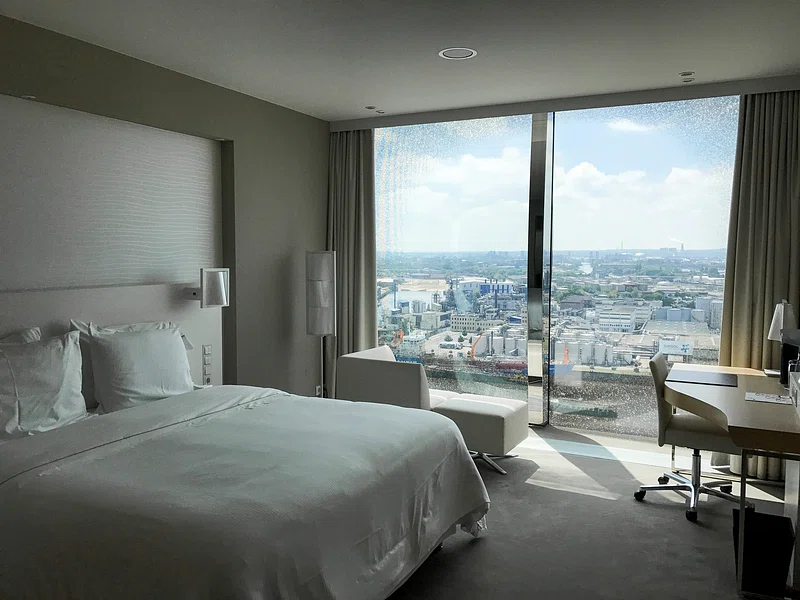
A good recovery hotel does not need to be luxurious, but it should be quiet, clean, comfortable, and easy to access. Elevator access is important, especially after surgery. Being close to pharmacies, grocery stores, or restaurants with soft food options can also make recovery easier.
What to look for in a hotel
- Close distance to the clinic
- Quiet rooms for recovery
- Elevator access
- Reliable Wi-Fi for communication
- Nearby food options or room service
- Flexible check-in and check-out if possible
Airport Transfers and Local Transportation
Some clinics include airport transfers as part of the treatment package, while others can arrange transportation for an additional cost. This is especially helpful after a long flight or after surgery, when you may not want to navigate taxis, public transportation, or unfamiliar streets.
Before traveling, confirm exactly what transportation is included. Ask whether airport pickup, hotel-to-clinic transfers, and return airport transportation are all covered. If transportation is not included, ask the clinic which options are safest and easiest.
Before planning travel around the lowest price, review our hidden costs of dental tourism guide so you can budget for hotel stays, transportation, follow-up care, and extra procedures.
What to Expect After Surgery
After implant surgery, most patients experience swelling, tenderness, and pressure for several days. This is normal. The level of discomfort depends on the number of implants placed, whether extractions were performed, and whether additional procedures such as grafting were needed.
Patients are usually advised to rest, avoid intense activity, and follow a soft food diet. You may feel well enough to walk around lightly, but the first few days should be focused on recovery rather than sightseeing.

Common recovery expectations
- Swelling for 2 to 4 days
- Soft food diet
- Mild bleeding or tenderness early on
- Follow-up appointment before flying home
- Temporary teeth may feel different at first
Eating During Recovery
Food planning is one of the most practical parts of dental implant travel. After surgery, you will likely need to avoid hard, crunchy, spicy, or very hot foods. Soft foods are easier to manage and reduce pressure on the implants and temporary teeth.
Good options include soups, yogurt, mashed potatoes, scrambled eggs, smoothies, soft pasta, oatmeal, and protein shakes. Avoid using straws immediately after surgery unless your clinic says it is safe.
Can You Travel Alone?
Many patients travel alone for dental implant treatment, especially when the clinic offers strong support. However, bringing a companion can be helpful if you are nervous, undergoing full mouth surgery, or traveling to a country you have never visited before.
A companion can help with transportation, meals, communication, and emotional support during the first few days after surgery. If you travel alone, make sure the clinic provides clear instructions and emergency contact information.
Can You Sightsee During the Trip?
Light sightseeing may be possible, but it should be planned carefully. Dental implant travel should not be treated like a regular vacation. Your body needs time to recover, and overexertion can make swelling and discomfort worse.
The safest approach is to schedule sightseeing before surgery or later in the trip once your dentist confirms that healing is progressing well. Choose low-effort activities such as short walks, relaxed meals, scenic drives, or simple city tours.

Travel tip
Plan your trip around treatment first and sightseeing second. Dental implant surgery is manageable, but recovery should be your priority.
Documents and Items to Bring
Before leaving Canada, organize your documents and travel essentials. Keep copies of your passport, clinic confirmation, hotel booking, travel insurance, prescriptions, and dental records if available.
It is also helpful to bring comfortable clothing, a refillable water bottle, lip balm, soft snacks, and any medication approved by your dentist or doctor. Keep important items in your carry-on bag in case checked luggage is delayed.
Final Thoughts
Traveling for dental implants can be a smooth experience when the trip is planned carefully. The most successful patients treat it as a structured medical trip, not just a vacation. Choosing the right clinic, allowing enough recovery time, and understanding what to expect can make the process much more comfortable.
Before booking treatment, compare the full plan, not just the price. Make sure you understand the number of visits, hotel arrangements, transportation, recovery expectations, and what support is available after you return home.