

For many Canadians, dental implants are not simply a cosmetic improvement. They are a functional and long-term solution that can restore chewing ability, speech, confidence, and quality of life. Missing teeth, failing dental work, loose dentures, or advanced bone loss can affect everyday comfort in ways that go far beyond appearance.
The challenge is cost. Full mouth dental implants in Canada can often range from $50,000 to $80,000 CAD or more, especially when complex procedures are needed. Because implant treatment is often not fully covered by insurance, many patients begin exploring treatment abroad in countries such as Turkey, Mexico, and Hungary.
In this guide
- Understanding the Real Cost of Dental Implants Abroad
- Types of Dental Implant Treatments
- Bone Grafting, Sinus Lifts, and Zygomatic Implants
- Choosing the Right Country for Treatment
- What the Treatment Process Actually Looks Like
- Recovery and Daily Experience
- Risks and Considerations
- How to Evaluate a Dental Implant Quote
- How to Choose the Right Clinic

Understanding the Real Cost of Dental Implants Abroad
When people first compare dental implant prices, they often focus on the headline number. However, the real cost of treatment depends on what is included, what materials are used, how complex the case is, and whether additional procedures are required. Two clinics may advertise similar prices but offer very different treatment plans.
In Canada, higher costs are influenced by clinic overhead, laboratory fees, regulatory requirements, staffing costs, and the fact that treatment is often billed in separate stages. Abroad, many clinics operate high-volume implant practices designed specifically for international patients. This can reduce costs while still offering modern equipment and experienced clinicians.
| Treatment | Canada | Turkey | Mexico | Hungary |
|---|---|---|---|---|
| All-on-4 Per Arch | $25,000–$40,000 | $5,500–$10,000 | $11,000–$20,000 | $9,000–$16,000 |
| All-on-6 Per Arch | $30,000–$50,000 | $7,000–$12,000 | $14,000–$24,000 | $12,000–$20,000 |
| Full Mouth (All-on-4) | $50,000–$80,000+ | $11,000–$20,000 | $22,000–$34,000 | $18,000–$32,000 |
| Full Mouth (All-on-6) | $60,000–$100,000+ | $13,000–$24,000 | $28,000–$42,000 | $24,000–$40,000 |
Wondering what treatment abroad really costs? Read our Hidden Costs of Dental Tourism guide to learn about travel expenses, temporary teeth, bone grafts, and other costs that may not be included in advertised prices.
All-on-4, All-on-6, and All-on-8 Explained
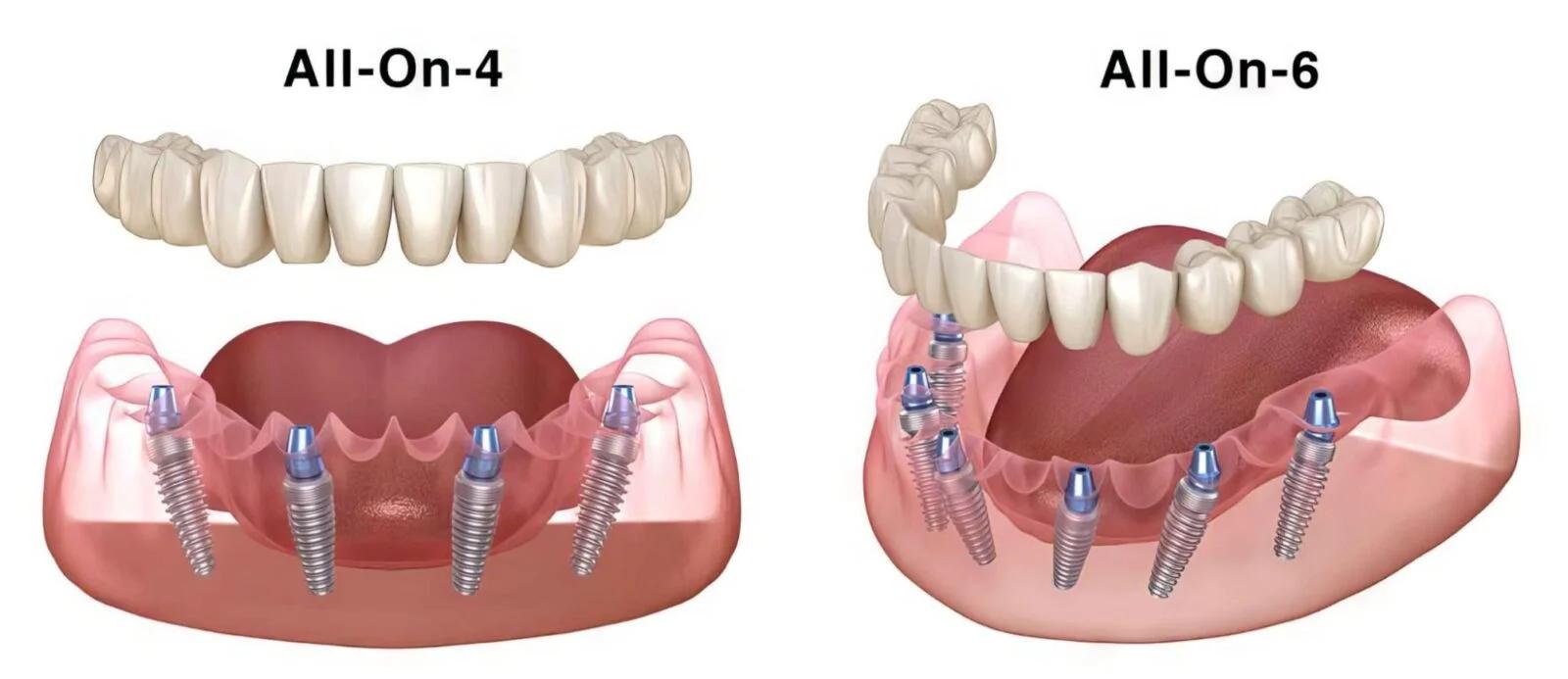
Full arch implant treatments are designed to replace an entire upper or lower jaw using a fixed bridge supported by implants. The difference between All-on-4, All-on-6, and All-on-8 is the number of implants used to support the teeth. More implants can provide additional support, but more is not automatically better for every patient.
All-on-4 uses four implants per arch. It is often the most cost-effective full arch solution and can work well when implants are placed strategically. All-on-6 uses six implants, which may improve force distribution and long-term stability. All-on-8 uses eight implants and is usually considered for patients who need or want maximum support, assuming their bone structure allows it.
All-on-4
Often chosen for affordability and efficiency. It may reduce the need for grafting in some cases because the rear implants can be angled.
All-on-6
Provides additional implant support and may distribute chewing forces more evenly across the arch.
All-on-8
A more extensive option that may be used when maximum stability is desired and the patient has enough bone to support more implants.
Bone Grafting, Sinus Lifts, and Zygomatic Implants
One of the most important factors in implant dentistry is bone availability. When teeth are missing for a long time, the jawbone can shrink because it is no longer stimulated by natural tooth roots. This is especially common in patients who have worn removable dentures for many years.
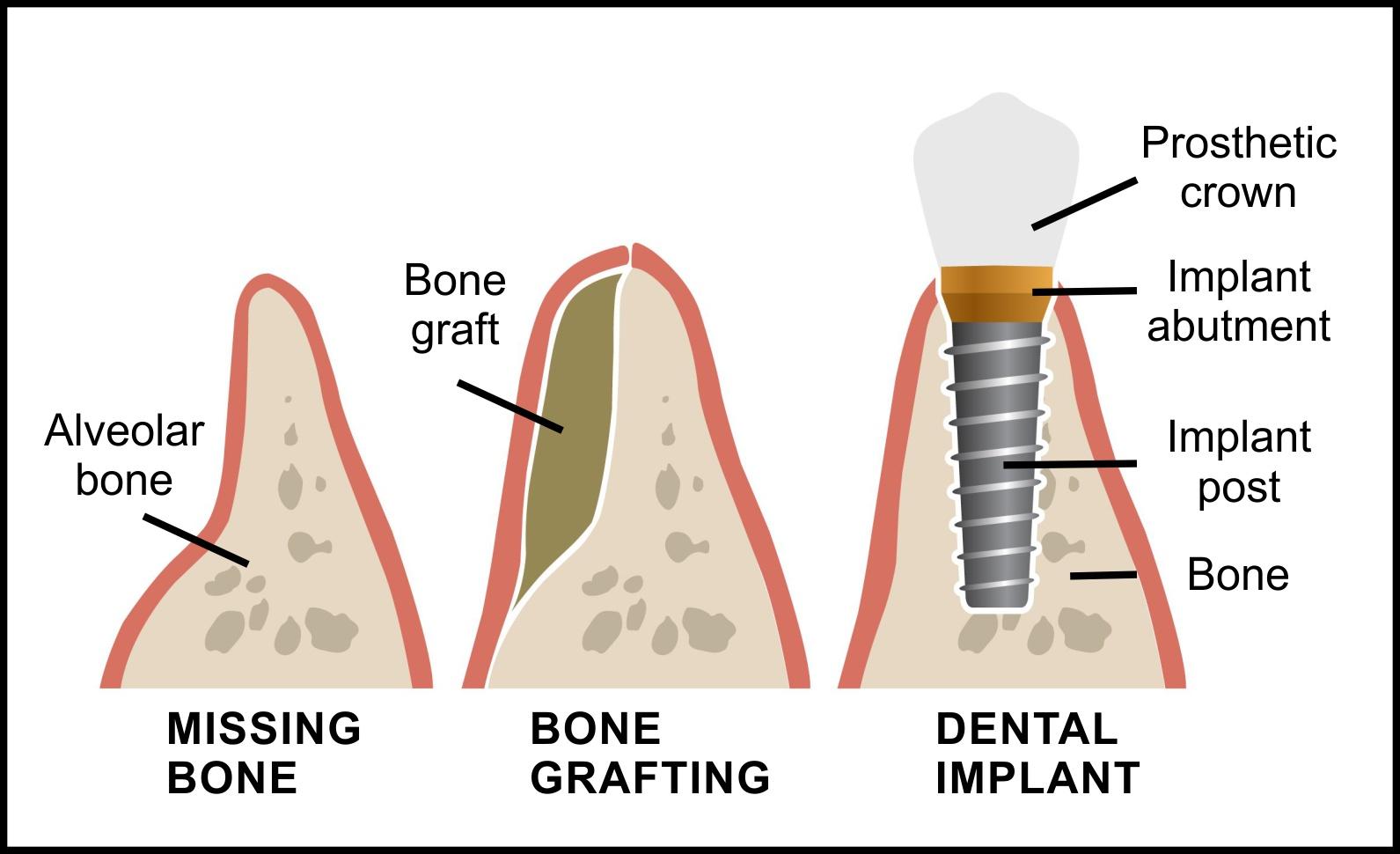
Bone grafting is used to rebuild areas where the jawbone is too thin or weak to support implants. A sinus lift is used in the upper jaw when the sinus cavity is too close to the implant area. Zygomatic implants are an advanced option for severe upper jaw bone loss because they anchor into the cheekbone instead of the jawbone.
Bone Grafting
Bone grafting may be recommended when the jawbone does not have enough height, width, or density to hold implants securely. The graft material is placed in the deficient area and allowed to integrate with the existing bone over time. Depending on the case, this may add several months to the treatment timeline.
Sinus Lift
A sinus lift is commonly needed for implants in the back of the upper jaw. If the sinus cavity sits too close to the jawbone, there may not be enough vertical bone to place implants safely. A sinus lift creates additional space and adds bone material so implants can be placed with better support.
Zygomatic Implants
Zygomatic implants are used in more advanced cases where the upper jaw has severe bone loss. Instead of anchoring into the jawbone, these longer implants are anchored into the cheekbone, which is denser and more stable. This approach may allow some patients to avoid extensive bone grafting.
Not sure whether All-on-4 or All-on-6 is right for you? Read our All-on-4 vs All-on-6 comparison guide to understand the differences in stability, cost, and treatment planning.
Choosing the Right Country for Dental Implants
The best country for dental implants depends on more than price. Travel distance, follow-up logistics, clinic experience, package inclusions, and patient comfort all matter. Turkey, Mexico, and Hungary each attract different types of patients for different reasons.
Turkey is often selected for overall value and package-style treatment. Mexico is attractive for Canadians and Americans who prefer shorter travel and easier follow-ups. Hungary has a long history in European dental tourism and may appeal to patients who prefer treatment within Europe.

Still deciding where to go? Our Turkey vs Mexico vs Hungary comparison guide breaks down treatment costs, travel considerations, and what each destination offers international patients.
What the Treatment Process Usually Looks Like
Dental implants are usually not a one-trip procedure. Most full mouth cases require at least two stages. The first visit is focused on surgery, implant placement, extractions if needed, and temporary teeth. The second visit happens after the implants have healed and integrated with the bone.
The healing phase is important because implants need time to bond with the jawbone through a process called osseointegration. This can take several months. Final teeth are usually placed only after the clinic confirms that healing has progressed properly.
Travel, Hotels, and Recovery
Many dental tourism clinics assist with hotel recommendations, airport transfers, and scheduling. This can make the process easier for patients traveling to an unfamiliar country. However, patients should still plan carefully and allow enough time to rest after surgery.
Recovery varies depending on the complexity of the procedure. Patients may experience swelling, pressure, mild discomfort, and temporary eating restrictions. A soft food diet is usually required while the mouth heals. Sightseeing may be possible, but it should be light and planned around recovery, not the other way around.

Risks and Considerations
Dental implants have a strong long-term success rate when they are planned and placed correctly, but they are still a surgical treatment. Like any procedure, they carry risks that patients should understand before deciding where to receive care. This is especially important when treatment involves travel, because follow-up care requires more planning than it would with a local dentist.
One of the most important risks is poor treatment planning. Full mouth implant cases require more than placing implants in the jaw. The dentist must evaluate bone quality, bite force, jaw alignment, smile design, gum health, and the type of final prosthetic being used. If the implants are not positioned properly, the final teeth may not fit correctly, chewing forces may be uneven, or complications may develop over time.
Another consideration is the quality of the materials. Implant brand, abutments, temporary teeth, and final bridge material all matter. A very low quote may be attractive, but patients should confirm exactly what implant system is being used and whether replacement parts will be available in Canada if future maintenance is needed. This is one reason globally recognized implant brands can be valuable.
Infection and healing issues are also possible, especially if a patient has diabetes, smokes, has gum disease, or does not follow post-surgery instructions. Good clinics will explain how to clean around temporary teeth, what foods to avoid during healing, and when to seek help if something feels wrong.
Travel adds another layer of planning. Patients should understand how follow-up care will be handled after returning home, what happens if a temporary bridge breaks, and whether the clinic offers remote support. The goal is not to avoid dental implants abroad, but to approach the decision with realistic expectations and a clear plan.
Important reminder
The biggest risk is choosing based only on price. A good treatment plan should explain the procedure, materials, timeline, follow-up, and what is included before you commit.
How to Compare Dental Implant Quotes
A proper dental implant quote should clearly explain what is included. Patients should not compare quotes based only on the final price. A cheaper quote may exclude temporary teeth, final zirconia teeth, scans, extractions, grafting, medication, or hotel support.
Before choosing a clinic, ask what implant brand is used, what material the final teeth are made from, whether the price includes both visits, and what happens if complications occur. A transparent quote is often a better sign than a very low advertised price.
How to Choose the Right Clinic
The clinic matters more than the country. A good clinic should be able to explain your treatment plan clearly, show experience with similar cases, provide realistic timelines, and answer questions without pressure. Communication quality is especially important when treatment involves travel.
Patients should look for clinics experienced in full mouth restorations, not just single implants or cosmetic dentistry. Full arch cases require surgical planning, prosthetic design, bite analysis, and long-term follow-up thinking. This is where experience matters.
Before requesting quotes, learn how to evaluate clinics, compare treatment plans, and avoid common mistakes in our Dental Implant Clinic Selection Guide.
Key Takeaway
Dental implants abroad can offer major savings, but the best results come from understanding the full treatment plan, comparing detailed quotes, and choosing a clinic based on quality—not just price.